
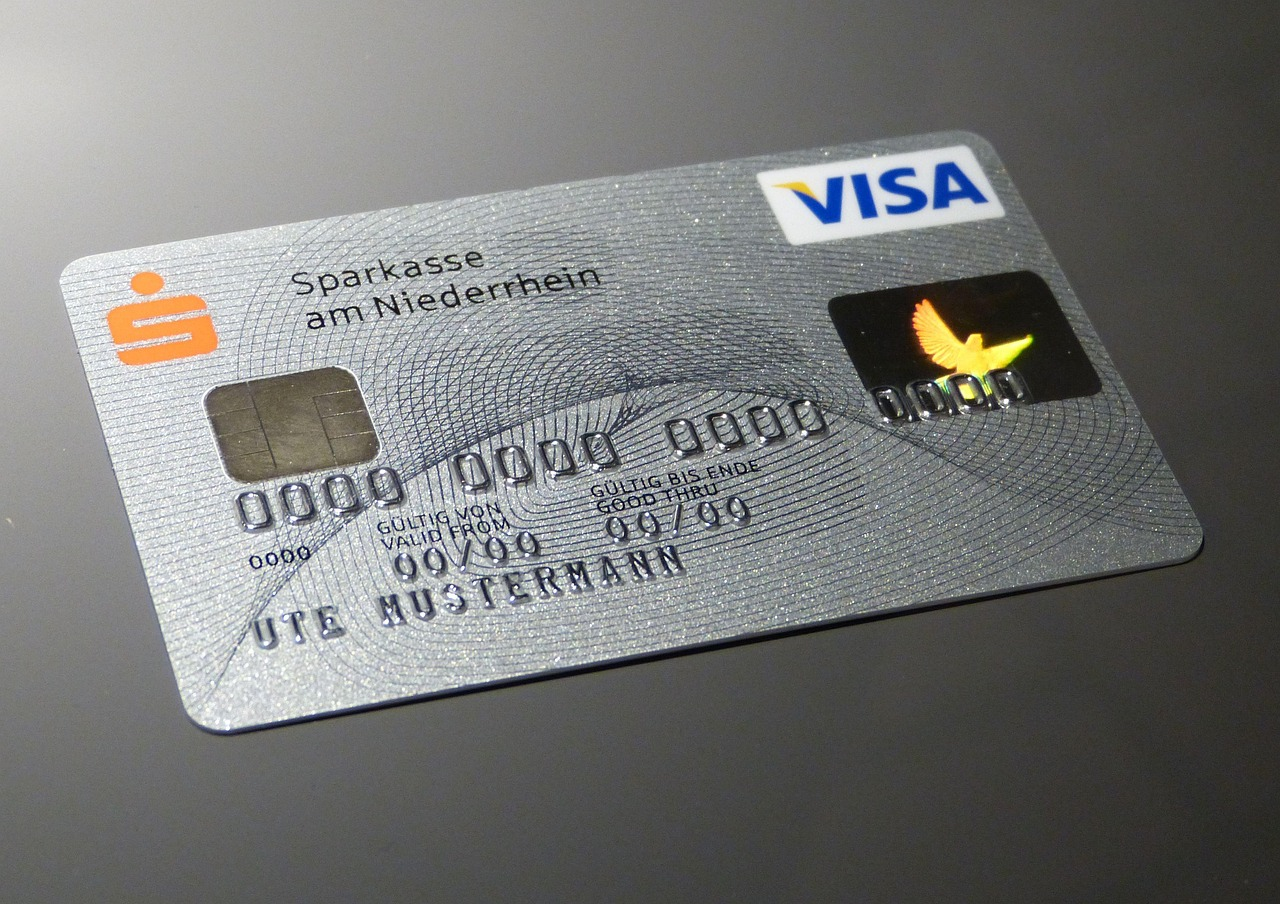
I wish someone had sat me down in middle school and explained how credit actually works. Instead of learning the “secret language” of wealth back then, I had to develop a “need to know” attitude and figure it out on my own. But looking back, that hunger was an advantage. It’s all about perspective—the glass isn’t half empty; it’s half full and waiting for you to fill it the rest of the way.
It doesn’t hurt to have someone who’s already been through the fire in your corner, either. Let’s break down the basics of the game.
What is Credit, Really?
At its core, credit is just an agreement between a lender and a borrower. It’s a formal “I Owe You.”
Think of it like this: You finally land that dream job, but it’s across town and you’re out of gas money. You don’t have a check coming in for two weeks. You can’t get a bank loan yet because you haven’t started working. So, you ask a friend for $50 for gas, promising to pay them back as soon as that first check hits. That friend is extending you credit. They are betting on your ability to pay them back based on your word.
The Score: Your Financial Reputation
In the real world, banks don’t know you personally, so they use a number to decide if you’re trustworthy. That’s your Credit Score.
- The Range: 300 to 850.
- The Rule: The higher the number, the more “creditworthy” you look.
A high score is like a VIP pass. It tells lenders they can trust you with larger amounts of money, and usually at lower interest rates.
The Power Move: Leverage
Now, here is where most people get it wrong. Most people think credit is just for buying things they can’t afford. The wealthy use credit to buy things that make them money.
Let’s look at a “Level 10” move. Imagine you have a 740 credit score and you’ve managed to save $100,000 in cash. Most people would go out and buy their $100,000 dream car in cash. Don’t do that.
Try this instead:
- The Down Payment: Use your high credit score to finance the car. Put down $10,000 and keep your cash.
- The Asset: Take $80,000 of that remaining cash and buy a rental property (or a solid down payment on a larger multi-family unit).
- The Payoff: Set the rent so that the income from that property covers your monthly car payment.
- The Safety Net: Keep the last $10,000 in a high-yield savings account for a rainy day.
By the end of this move, you have the dream car, you still have your emergency fund, and you own a piece of real estate that is building equity every single month. That is using credit to your benefit.
Leave a Reply